
For years, India’s value fashion market operated on a simple model—offer affordable clothing, run heavy discounts, and rely on large-format stores to drive sales.
That formula is rapidly changing.
Today’s consumers are more trend-aware, digitally influenced, and far quicker to adopt new styles than ever before. Social media, creators, and real-time fashion trends now shape buying decisions, pushing retailers to compete not just on price, but on speed, relevance, and cultural connection.
This is the environment in which Max Fashion is marking its 20th year in India.
The brand operates in an intensely competitive market, with players like Reliance Trends expanding beyond 2,000 stores and Zudio approaching the 1,000-store mark. Other established names such as V-Mart and FBB continue to intensify the battle for India’s middle-income consumer.
To stand out, Max is shifting its strategy from simply selling affordable fashion to building stronger cultural relevance.
According to Pallavi Pandey, the brand has intentionally evolved its storytelling approach to connect more deeply with younger consumers.
Max began its India journey with one store in Indore and now operates over 530 stores across 200+ cities, with plans to add 70–80 stores annually.
Its financial growth reflects this momentum. In FY25, the company reported revenue of ₹780.5 crore, a 17% year-on-year increase, with net profits reaching ₹32.9 crore.
Part of the Landmark Group portfolio, Max shares space with brands like Lifestyle and Babyshop.
But the bigger transformation is about perception.
Once known primarily for affordability and reliability, Max is now working to become more aspirational and fashion-forward—without losing the value-conscious audience that built its foundation.
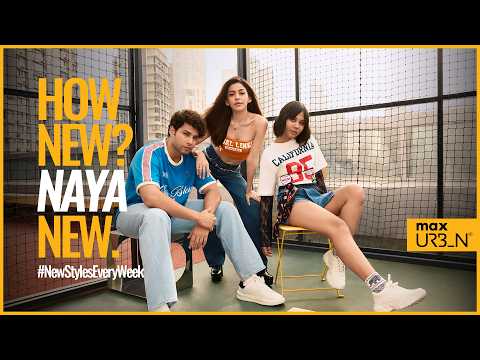
One visible sign of this repositioning is its growing use of celebrity partnerships.
To celebrate its 20-year milestone, the brand appeared at Lakmé Fashion Week alongside ambassadors like Siddhant Chaturvedi, Kalki Koechlin, and Alaya F.
For a brand that traditionally relied on product-led marketing, this marks a strategic shift—using familiar faces not just to endorse the brand, but to strengthen emotional connection and cultural relevance.
Watch Video

Comments (0)
No comments yet. Be the first to comment.