
From Fake Shaadis to Content IPs: Inside the Brands’ Baraat This Season
As the festive sparkle fades, India’s grandest celebration is taking over the marketing calendar — the wedding season. In 2025, brands are marching into the “shaadi economy” with all the pomp and flair of a real baraat, turning weddings into the next big advertising battleground. From fake weddings to serialized content and OOH spectacles, marketers are reinventing the way India celebrates — and consumes — its weddings.
The Shaadi Economy 2.0
India’s wedding season has always been a cultural juggernaut — one that fuels industries from jewellery and apparel to beauty, hospitality, and travel. But in the age of Instagram reels and influencer aesthetics, the “Great Indian Wedding” has evolved from a personal celebration to a nationwide content phenomenon. And brands are following suit.
This year, marketers are going beyond traditional ad campaigns, blending aspiration, emotion, and virality to stay visible during the country’s biggest social season. The goal is clear: when Indians are in celebration mode, brand presence must shine just as brightly.
Jewellery and Beauty Take the Lead
Naturally, jewellery and beauty brands are leading this season’s marketing charge. GIVA’s latest campaign, “It’s Officially Shaadi Season!”, captures the glittering spirit of wedding festivities with a message that resonates across audiences — “From mehendi to reception, let every look shine brighter than the lights.”
The campaign cleverly balances affordability with aspiration, positioning GIVA as the go-to sparkle for every wedding guest, bridesmaid, or bride. Its omnichannel push — spanning digital, influencer collaborations, and social storytelling — ensures that every scroll through Instagram this November feels like walking into a glimmering shaadi venue.
Meanwhile, beauty-at-home brand Yes Madam is tapping into a different kind of glow. Its “Turn Heads This Shaadi Season with K-Glow” campaign rides the booming trend of pre-wedding skincare rituals. By merging the language of self-care with celebration prep, the brand positions its Korean-inspired facials as the ultimate “glow-up” before the big day. It’s a smart move in a category where wellness, beauty, and self-love seamlessly intersect.
When FMCG Meets Festivity
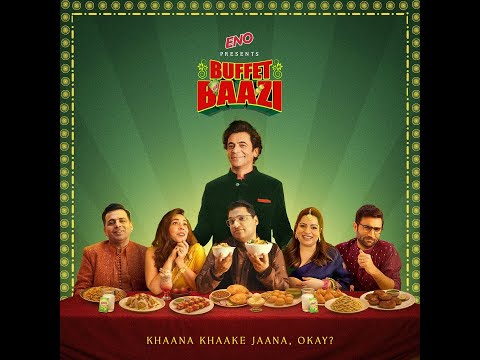
Even functional categories are getting creative this season. FMCG major ENO has entered the shaadi chat with “Shaadi Ki Buffetbaazi”, a humorous campaign celebrating the inevitable overindulgence of Indian weddings.
The brand turns the age-old post-buffet indigestion problem into a moment of laughter and relatability, cementing ENO as a must-have post-feast essential. It’s contextual marketing done right — where timing, tone, and cultural insight align to make even an antacid feel festive.
The Rise of the Fake Shaadi Phenomenon
If 2024 was the year of influencer weddings, 2025 is the year of fake weddings. Case in point: Britannia and Zepto recently transformed Delhi’s Iraluxe in Chattarpur into a full-fledged “Fake Shaadi” playground.
The event featured over 300 invitees, creators, and brand partners — complete with baraat processions, dance floors, and bridal photo ops. Britannia led the creative parade, Zepto handled the logistics, and the result was a viral spectacle that blurred the line between experiential marketing and influencer-driven content.
Every outfit, reel, and prop became potential branded content. What began as an activation turned into a social media carnival — a new playbook for how Gen Z brands approach cultural moments.
OOH Goes Desi and Relatable
While digital campaigns dominate timelines, outdoor advertising is going hyper-local and culturally rooted. Shaadi.com’s recent OOH campaign in Lucknow grabbed eyeballs — literally — with a giant kadhai installation.
Drawing inspiration from a North Indian superstition — “Kadhai se kha liye? Shaadi mein baarish pakki!” — the campaign sparked both street-side smiles and online chatter. By blending humour, nostalgia, and desi insight, Shaadi.com demonstrated how OOH can go beyond billboards to become conversation starters.
Serialised Storytelling for the Style-Conscious
Fashion platforms are building long-form content IPs that live beyond ads. Myntra’s “Myntra Mohalla”, a six-episode micro-drama series, captures the chaos, colour, and camaraderie of the Great Indian Wedding.
Featuring digital creators like Yuvraj Dua, Chandni Bhabhda, Khushaal Pawaar, and Govind Menon, the series celebrates the fact that every shaadi event — from mehendi to sangeet — deserves its own outfit and theme.
By merging storytelling and commerce, Myntra transforms the wedding season into a binge-worthy content format, not just a sales event. It’s a clear sign of how brands are now competing not just for wallet share, but for watch time and cultural relevance.
Menswear Joins the Celebration
Men’s fashion, too, is embracing drama and celebrity power. Peter England, under Aditya Birla Lifestyle Brands, has launched “The Bollywood Wedding”, starring Karan Johar and Rohit Saraf.
Conceptualised by Ogilvy, the campaign is a tongue-in-cheek ode to the spectacle of Indian weddings. Karan plays the ever-stylish host, while Rohit brings the modern-groom charisma. Together, they celebrate everything India loves about weddings — colour, personality, and unfiltered drama.
It’s a clever reminder that weddings are as much about performance as they are about ritual, and that men, too, are part of the style conversation.
Influencers: The New Wedding Guests
At the heart of this marketing transformation lies the influencer ecosystem. Wedding planners, stylists, makeup artists, and photographers have become conduits for brand storytelling, seamlessly inserting products into celebration content.
A single wedding post now reaches millions — influencing purchase decisions far beyond the guest list. For brands, this means not just visibility but virality.
Influencer collabs on Instagram and YouTube Shorts are no longer side campaigns — they’re the main act. Every reel, every “OOTD”, every candid moment has the potential to become an ad disguised as authenticity.
The New Era of Celebration Marketing
The lines between advertising, entertainment, and experience have never been blurrier — and that’s exactly how brands want it. What began as thematic campaigns tied to wedding season has evolved into full-fledged brand experiences.
Jewellery brands are offering EMI tie-ups with fintech partners. Beauty and grooming brands are creating pre-wedding kits for both bridesmaids and groomsmen. Food delivery platforms are spoofing wedding chaos in their ads. Even travel brands are jumping in with honeymoon-themed packages and influencer-led destination content.
The message from marketers is loud and clear: India’s shaadi season is no longer just about ceremonies — it’s about conversations, conversions, and content.
Where Every Brand Wants Its Moment in the Baraat
In a country where weddings are never small, neither are the campaigns. Whether it’s jewellery that catches the eye, an antacid that saves the stomach, or a fake wedding that breaks the internet — every brand is angling for its spotlight moment.
Because in India, the wedding isn’t just a family affair anymore — it’s a national content festival. And as the 2025 season unfolds, one thing is certain: the baraat isn’t just coming; it’s going viral.
Watch Video
▶


Comments (0)
No comments yet. Be the first to comment.