

Coca-Cola’s announcement that Diet Cherry Coke will officially return to shelves nationwide in early 2026 has ignited a wave of excitement among loyal fans. After a five-year absence, the revival of this classic diet cola flavor marks a strategic shift for the beverage giant, coming at a time when companies across industries are increasingly revisiting discontinued products to maximize brand equity. The return of Diet Cherry Coke is more than a simple product relaunch—it is a calculated decision that blends nostalgia, changing consumer behavior, and economic realities, positioning Coca-Cola to leverage an already established fanbase in a competitive market.
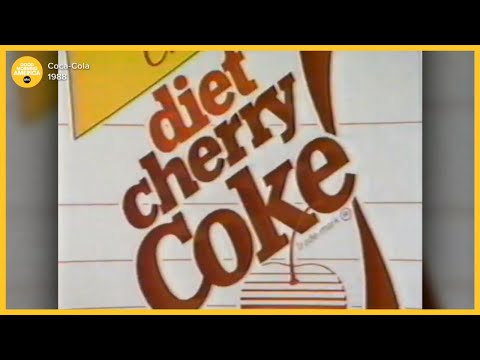
Originally introduced in 1986, Diet Cherry Coke quickly built a distinct identity within the Diet Coke family. For decades, it enjoyed a solid base of dedicated consumers who appreciated its crisp, sweet cherry undertones paired with the familiar Diet Coke profile. When the company discontinued the flavor in the United States at the close of 2020, many fans were left disappointed and baffled. Social media platforms saw waves of posts, petitions, and nostalgic reflections from those who considered it one of the finest flavor extensions Coca-Cola ever offered. The product’s withdrawal happened during a period when beverage companies were streamlining their portfolios due to pandemic-related disruptions, supply chain challenges, and shifting market dynamics. Yet even through its absence, Diet Cherry Coke continued to be requested repeatedly, signaling to Coca-Cola that its removal had left a noticeable gap in the market.
Now, as Coca-Cola prepares to reintroduce Diet Cherry Coke as a permanent offering, the timing reflects broader market conditions. The soda industry has been facing heightened competition from flavored sparkling waters, energy drinks, and functional beverages. Simultaneously, consumption patterns have become more fragmented, with customers gravitating toward familiar options that evoke emotional connections. Coca-Cola appears to have recognized that in an era where consumers often crave comfort and simplicity, reviving a beloved legacy flavor can create a powerful emotional pull. This eliminates the need for heavy consumer education, which is typically required when launching a completely new beverage line.
The company’s leadership has been vocal about the complexities of the current operating environment. During the Q3 earnings call, CEO James Quincey highlighted that although overall demand remains steady, many consumer groups are grappling with inflation and economic uncertainty. These pressures have shifted buying behavior, making affordability and familiarity key drivers in purchasing decisions. Additionally, external factors such as unpredictable weather and volatile global trade conditions have introduced new layers of complexity. Despite these challenges, Coca-Cola has demonstrated resilience, reporting volume growth with September performing better than the earlier months of the summer. This stabilization in performance may have provided the confidence needed to expand its product strategy to include legacy restorations like Diet Cherry Coke.
Marketing analysts believe that Coca-Cola’s move aligns with a rising trend in the industry: the revival of discontinued products with strong nostalgia value. Nostalgia marketing has become a powerful tool, especially during uncertain times, as it taps into consumers’ memories and emotional connections. Purvi Shah, associate professor of marketing at Worcester Polytechnic Institute, explained that reviving a proven flavor is often less risky than introducing a new one, particularly when the macroeconomic climate is tight. Companies can avoid the unpredictability that comes with launching unfamiliar products and instead rely on existing affinity to drive early sales. In this sense, Diet Cherry Coke’s return functions as both a sentimental gesture and a practical business decision.
As Coca-Cola prepares for the 2026 rollout, one of the most critical tasks will be ensuring sufficient production capacity and strategic retail placement. Given the strong consumer response to the announcement, demand during the initial months is expected to be high. Retailers will likely play a significant role in the success of this revival, as adequate shelf space and effective promotional visibility will be key to meeting consumer expectations. The company must also secure a stable supply chain to avoid any disruptions that could affect availability—something that became a significant challenge for many brands during the pandemic years.
Another factor in the product’s potential success is the role of digital communities. Over the years, fans of Diet Cherry Coke have kept conversations about the drink alive through social forums, nostalgic threads, and online petitions. Coca-Cola’s decision to bring it back may energize these communities further, creating organic buzz and enhancing consumer engagement without the need for massive marketing spend. Online nostalgia culture has proven powerful in recent years, with many brands experiencing viral interest when reintroducing legacy products. This built-in hype could naturally amplify Diet Cherry Coke’s reentry into the market, making it one of Coca-Cola’s most celebrated product restorations.
The return of Diet Cherry Coke also reflects how legacy products can become long-term strategic assets. While innovation remains crucial for beverage companies, the revival of iconic flavors can offer a safe yet rewarding alternative. These products often carry deep emotional connections, reminding consumers of certain periods in their lives. Brands that tap into these memories can reinforce loyalty in meaningful ways. Additionally, in a crowded beverage landscape, familiar options can stand out simply because they resonate on a personal level—something new inventions often fail to do initially.
Looking ahead, the revival of Diet Cherry Coke may also influence Coca-Cola’s future product decisions. If successful, it could pave the way for the return of other retired flavors or limited-edition variants. More importantly, it demonstrates that Coca-Cola is listening to its consumers and taking their feedback seriously. This kind of responsiveness is especially valuable in an era where brand loyalty is highly fluid. Companies that build deeper connections with their customers through empathy and attentiveness often see long-term benefits in both sales and reputation.
Ultimately, the return of Diet Cherry Coke is more than a nostalgic comeback—it's a strategic response to evolving consumer behavior, market challenges, and the enduring power of emotional connection. As 2026 approaches, excitement will continue building, and if this momentum is any indication, Coca-Cola may be on the verge of one of its most successful legacy product revivals. Fans who have waited since 2020 will soon have their favorite flavor back in their hands, and the brand is poised to turn this long-awaited moment into a strong commercial triumph.
Watch Video
▶


Comments (0)
No comments yet. Be the first to comment.