
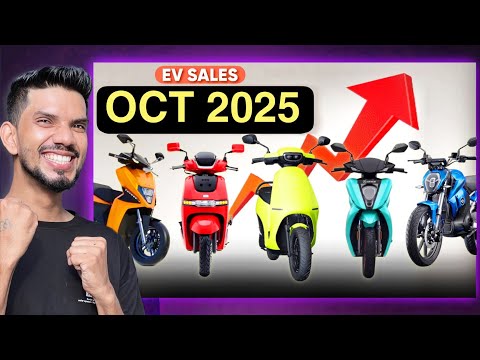
India’s two-wheeler market accelerated strongly in the October 2025 quarter, clocking impressive volume growth across major players like TVS Motor, Hero MotoCorp, Bajaj Auto, and Eicher Motors. While festive sentiment and rural recovery set the macro stage, it was strategic marketing that truly powered the engines of growth.
The data reflects a 10–15% year-on-year surge in sales volumes across key brands, marking one of the best-performing festive quarters in recent memory. Behind these numbers lies a deeper story — of creativity, timing, and precision in connecting with India’s evolving two-wheeler consumers.
Festive Season Acceleration: Timing Meets Emotion
The festive season — especially Navratri and Diwali — has long been India’s biggest auto-buying window. This year, brands didn’t just advertise offers; they built emotional narratives around celebration, pride, and progress.
TVS Motor’s festive push for its Jupiter and Apache brands perfectly captured this strategy. The “India ka Naya Zyada” campaign for Jupiter celebrated empowerment and smart choices, tapping into the evolving aspirations of urban families. Meanwhile, the “20:20 Apache” campaign marked 20 years of the iconic brand with short, high-energy films — leveraging nostalgia while appealing to youth.
Such campaigns created the perfect emotional spark at the right time, translating festive excitement into real dealership traffic and sales momentum.
Digital-First Revolution: Meeting Young India Online
The average two-wheeler buyer in India is now younger, digital-savvy, and driven by social media discovery. Brands that embraced this shift saw the most traction.
Hero MotoCorp, for instance, doubled down on influencer collaborations, digital storytelling, and gamified content, building strong recall among Gen Z and young professionals. TVS Motor went one step further by experimenting with AI-driven creative assets for its Jupiter campaign — a first in the scooter segment.
From Instagram Reels to YouTube Shorts, the shift from traditional television to short-format, high-impact digital storytelling allowed brands to reach millions with minimal lag, ensuring awareness turned into purchase intent during the limited festive buying window.
Segmented Storytelling: Targeting the Right Riders
A defining theme of this year’s success was segment-smart marketing. OEMs didn’t treat the market as one homogeneous block — instead, they designed distinct narratives for commuter, premium, and EV buyers.
TVS Motor pushed its premium motorcycle range (Apache, Raider) through lifestyle-led advertising.
Hero MotoCorp focused on mass appeal with its “Naye Indian ki Deluxe Bike” campaign — celebrating progress and self-belief.
Bajaj Auto highlighted performance and global heritage for Pulsar and Dominar, balancing emotional storytelling with technical credibility.
This precision ensured each sub-brand spoke directly to its target group — from first-time buyers in Tier-II towns to urban professionals seeking a lifestyle upgrade.
Emotional Storytelling: From Utility to Identity
Indian two-wheelers are no longer mere transport; they represent freedom, independence, and self-expression. This cultural shift has been embraced by the top players through powerful, relatable narratives.
Hero MotoCorp’s messaging now positions bikes as a symbol of ambition and individuality, while Royal Enfield continues to dominate emotional storytelling through the idea of journeys and self-discovery.
By aligning brand purpose with consumer identity, two-wheeler companies transformed ordinary sales campaigns into cultural conversations — ensuring long-term brand affinity beyond the festive spike.
Offer Engineering: Marketing Meets Affordability
While creativity drove awareness, affordability sealed conversions. Across dealerships, two-wheeler makers introduced targeted offers like zero down payment, cashback rewards, flexible EMIs, and free insurance packages.
These were communicated aggressively via regional digital marketing, WhatsApp business accounts, and dealer-led micro-campaigns, ensuring last-mile awareness. Combined with positive consumer sentiment post-GST reform, such offers created a perception of “right time to buy,” helping push purchase decisions over the line.
Premiumisation and Global Aspirations
India’s premium two-wheeler segment is expanding faster than ever — and marketing has played a pivotal role in making aspirational models mainstream.
TVS and Bajaj invested heavily in brand-building for their performance lines, positioning them as world-class machines crafted in India. Campaigns showcased not just power or speed, but design innovation, global success stories, and cultural coolness.
By blending global appeal with Indian pride, these brands made premium biking an attainable dream — directly contributing to stronger volume growth in 150cc+ categories.
Data-Driven and Real-Time Adaptation
The October quarter also tested marketers’ agility. With the implementation of new GST reforms and evolving rural demand patterns, brands quickly adapted messaging to emphasize value, stability, and availability.
Social listening and regional data allowed OEMs to tweak campaigns mid-flight — updating offers, localizing creatives, and shifting ad spends toward markets with the highest conversion potential. This real-time marketing intelligence ensured that every rupee spent reached audiences most ready to buy.
Dealer Networks and On-Ground Marketing: The Final Mile
Digital marketing may drive awareness, but two-wheelers still sell offline. Recognizing this, brands integrated their campaigns tightly with dealer activations, roadshows, and local festive events.
Showrooms became experience zones with selfie booths, ride simulators, and festive décor. Local influencers and community riders were invited to events, turning dealerships into micro-festivals.
This phygital (physical + digital) model not only boosted walk-ins but also strengthened the human connection between brands and buyers — a vital factor in India’s trust-driven consumer base.
Sustainability and EV Storytelling
Even as ICE (internal combustion engine) bikes led the numbers, electric two-wheelers gained brand attention. Companies like Bajaj and TVS subtly weaved in their EV commitment through sustainability-led communications, building credibility for long-term transition.
By not overselling EVs but gently introducing them into aspirational conversations, these brands have managed to future-proof their image while maintaining focus on current bestsellers.
Conclusion: Marketing Momentum for a Market in Motion
The October 2025 quarter proved that effective marketing can move markets. By aligning creativity with commerce — timing with emotion, storytelling with segmentation — India’s leading two-wheeler brands achieved what many industries struggle with: consistent volume growth in a complex market.
Festive storytelling, digital excellence, emotional branding, and data-driven adaptability created a powerful mix that not only boosted quarterly sales but also strengthened long-term brand equity.
As the two-wheeler sector speeds into 2026, one thing is clear:
The next phase of growth will belong to brands that market smarter, not louder.
Watch Video
▶


Comments (0)
No comments yet. Be the first to comment.