
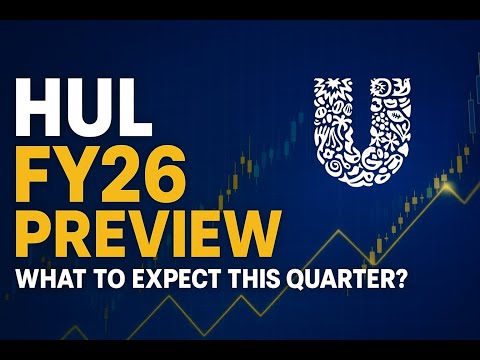
Hindustan Unilever Limited (HUL), India’s largest fast-moving consumer goods (FMCG) company, reported strong momentum in its advertising and promotions investment for the second quarter of FY26, signaling a continued focus on strengthening brand equity and driving consumer engagement in a competitive market landscape.
The company’s advertising and promotion (A&P) expenditure climbed 10.7% year-on-year to ₹1,661 crore, compared to ₹1,501 crore in the same period last year. This consistent double-digit rise underscores HUL’s long-term strategy to back its brands with sustained marketing investments, even amid dynamic market conditions.
On the financial front, HUL recorded a consolidated net profit of ₹2,694 crore for Q2FY26, slightly higher than ₹2,595 crore in the corresponding quarter of the previous year. The growth, though moderate, reflects the company’s resilience, operational discipline, and ability to balance volume and value growth during a phase of economic transition and regulatory change.
Navigating Market Transitions and Policy Shifts
The quarter saw Indian markets undergoing adjustments following the government’s latest GST reforms, which have been designed to streamline tax structures and improve consumption sentiment. These changes, while positive in the long term, created short-term disruptions as retailers, distributors, and consumers adapted to the new pricing and compliance structures.
Commenting on the macroeconomic environment, Priya Nair, CEO and Managing Director, Hindustan Unilever, said:
“The latest GST reforms are a positive step by the Government to drive consumption, expected to increase disposable income and improve consumer sentiment. However, the quarter saw a transitory impact as the market adjusted to these changes. We anticipate normal trading conditions starting early November, once prices stabilise, paving the way for a gradual and sustained market recovery.”
Nair’s statement reflects cautious optimism — recognizing that structural reforms often require short-term recalibration before delivering long-term benefits. As the market stabilizes, HUL expects consumption to rebound, supported by a more predictable pricing environment and improved rural demand.
Driving Portfolio Transformation and Modern Brand Experiences
One of the central themes of HUL’s strategy is portfolio transformation, aimed at making its brands more relevant, modern, and desirable to a younger and more digitally engaged consumer base.
According to Nair, the company’s focus in the upcoming quarters will be on sharpening consumer segmentation, transforming core brands, and investing in digital-first capabilities that enhance brand discovery and fulfilment.
“Looking ahead, we are determined to accelerate our portfolio transformation by radically sharpening our consumer segmentation, being bolder in transforming our core brands to make them more modern, desirable and youthful, future-proofing our marketing & sales capabilities by enabling superior online brand discovery & fulfillment, and investing disproportionately to scale our high-growth demand spaces,” Nair added.
This marks a clear shift from traditional FMCG strategies that focused primarily on distribution strength and advertising spends, to a more data-led, insight-driven model. HUL’s intent is to create agile brands that can adapt to emerging trends — whether in health and wellness, sustainability, or digital convenience — while maintaining the trust and familiarity of its heritage brands like Dove, Surf Excel, Horlicks, and Lifebuoy.
Balancing Legacy and Innovation
As the FMCG sector evolves, legacy companies like HUL are faced with the dual challenge of protecting their core and expanding into new growth territories. For HUL, this means reimagining its product portfolio to meet the aspirations of a younger demographic that values authenticity, sustainability, and purpose-driven branding.
In recent years, HUL has steadily diversified its portfolio beyond traditional categories such as personal care and home care, with an increasing focus on premiumisation, health-oriented products, and direct-to-consumer digital platforms. The company’s continued investment in R&D and innovation hubs has also allowed it to localize global innovations for Indian preferences — a critical differentiator in a market as diverse as India.
Sustained Commitment to Marketing Excellence
The double-digit rise in advertising and promotions expenditure highlights HUL’s steadfast belief that brand building is not an expense, but an investment. The company continues to leverage a mix of traditional and digital media, experiential activations, and influencer partnerships to reach India’s increasingly fragmented and digital-first audiences.
By maintaining consistent A&P growth, HUL reinforces its commitment to long-term brand equity creation even during periods of macroeconomic uncertainty. The company’s approach combines scale efficiency with local cultural insight, ensuring its campaigns stay both relatable and aspirational.
Digital Acceleration and the Future of FMCG Engagement
HUL’s transformation journey is also anchored in the digitalisation of sales, marketing, and consumer engagement. From e-commerce collaborations to D2C experiments and AI-driven analytics, the company is building an integrated ecosystem that brings speed, precision, and personalization to its marketing playbook.
Its investment in superior online brand discovery and fulfilment aims to bridge the gap between awareness and purchase, creating a seamless brand experience across physical and digital touchpoints. This approach reflects the new FMCG reality — where digital engagement drives loyalty, and data informs creativity.
Riding on a Supportive Macroeconomic Outlook
Looking ahead, HUL’s leadership expects a supportive macroeconomic environment to help accelerate growth in the coming quarters. With inflationary pressures easing, consumer confidence improving, and rural markets showing early signs of recovery, the company anticipates stronger volume-led growth.
“We believe these key priorities, coupled with a supportive macroeconomic environment, will position us to accelerate volume-led growth in the mid-to-long term,” Nair said, summarizing the company’s outlook.
HUL’s strategy of combining portfolio modernization, digital agility, and purpose-led marketing positions it strongly to capitalize on emerging opportunities in both urban and rural India.
Conclusion: A Future-Focused HUL
As India’s FMCG landscape undergoes rapid evolution, Hindustan Unilever stands at an inflection point — balancing legacy strength with innovation-led transformation. Its consistent marketing investments, renewed digital focus, and deep understanding of consumer sentiment reflect a company preparing for the next era of growth.
With a clear roadmap that aligns creativity, technology, and purpose, HUL continues to set benchmarks for how legacy brands can evolve into future-ready ecosystems while retaining their timeless appeal.
Watch Video
▶


Comments (0)
No comments yet. Be the first to comment.